Decorative Outline Geometric Shapes Work
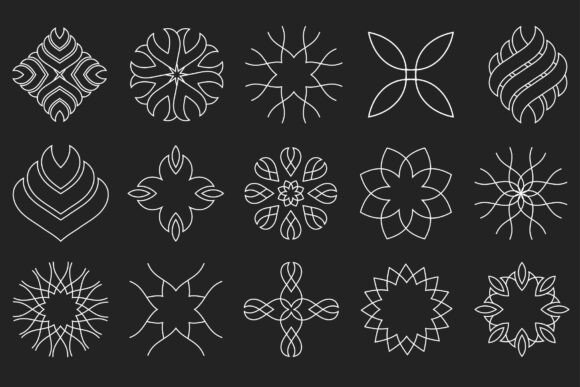
The intersection of traditional needlework and modern digital design creates a unique visual language that resonates across various creative fields. Decorative outline geometric shapes work represents this fusion, offering a collection of floral embroidery elements rendered as editable stroke artwork. These are not merely static images; they are dynamic vectors isolated on a white background, designed to bridge the gap between the tactile warmth of hand-stitched patterns and the precision of contemporary graphic design. Whether you are a seasoned illustrator or someone just beginning to explore digital art, understanding how these geometric forms function can unlock new possibilities for your projects.
At its core, this style of work involves taking organic motifs—specifically flowers—and interpreting them through structured, linear geometry. The result is a set of illustrations that maintain the delicate feel of embroidery while utilizing clean, scalable lines. Because these files are created with editable strokes, the thickness, color, and curvature of every line can be manipulated without losing quality. This flexibility is what makes the format so valuable, allowing the same base design to serve vastly different purposes depending on who is using it and why.
Why Different Creators Value Geometric Floral Elements
The appeal of decorative outline geometric shapes drawing varies significantly depending on your role in the creative ecosystem. What matters most to a freelance graphic designer might be irrelevant to a small business owner, yet both can find immense utility in the same asset library. Recognizing these differing priorities helps you evaluate whether this specific style aligns with your current goals.
For professional designers and marketers, the primary driver is often efficiency and adaptability. In a fast-paced environment, the ability to take a pre-made vector and instantly customize it to fit a brand's color palette or layout requirements is invaluable. These users prioritize speed and reliability. They need assets that look polished immediately but can also be deconstructed and rebuilt if the project demands it. The editable nature of the stroke artwork means a flower intended for a spring campaign can be thickened and darkened for a winter brochure in seconds, ensuring consistency across diverse media.
Conversely, educators and hobbyists may approach these geometric shapes with a focus on learning and creativity. For a teacher creating materials for an art class, these vectors serve as excellent teaching tools. Students can trace the outlines to understand the relationship between geometry and nature, or they can use the digital files to experiment with color theory without the mess of physical paints. Here, the value lies in the clarity of the lines and the simplicity of the composition, which makes complex designs accessible to beginners.
Practical Applications Across Industries
Understanding how to apply these elements requires looking at specific use cases. The versatility of floral embroidery elements allows them to transcend simple decoration, becoming functional components in broader design strategies.
- Branding and Identity: Small business owners, particularly those in the wedding, wellness, or artisanal food sectors, often seek a logo that feels handmade yet modern. A geometric flower outline provides this balance. It suggests craftsmanship without appearing outdated. Entrepreneurs can use these vectors on packaging, business cards, and social media headers to establish a cohesive visual identity that stands out against more generic clipart.
- Digital Content Creation: Bloggers and content creators frequently need eye-catching graphics to break up text or illustrate concepts. Since these illustrations are isolated on a white background, they integrate seamlessly into website layouts and blog posts. A lifestyle blogger might use a subtle geometric floral border to frame a recipe, adding a touch of elegance without distracting from the content.
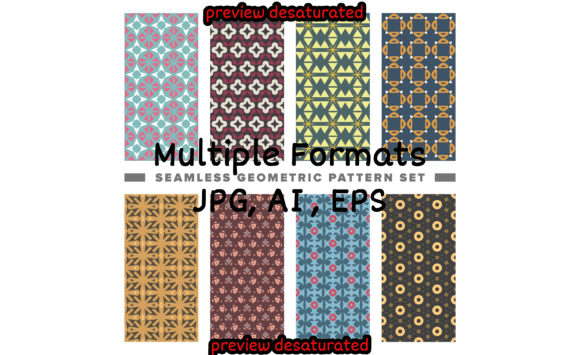
- Product Design and Merchandise: For those involved in print-on-demand or product manufacturing, the scalability of vector files (EPS) is crucial. Whether printing on a massive billboard or a tiny jewelry tag, the lines remain crisp. Designers can arrange these geometric shapes into repeating patterns for textiles, wallpaper, or phone cases, leveraging the "needlework" aesthetic to appeal to consumers looking for home decor with a personal touch.
Evaluating Quality and Usability
When selecting resources for decorative outline geometric shapes work, several factors determine whether a collection will meet your needs. It is not just about how the image looks in a preview; it is about how it behaves in your workflow.
Flexibility is arguably the most critical feature. True editable stroke artwork allows you to change the weight of a line globally or individually. If a collection is flattened or rasterized, it loses its primary advantage. Professionals should always check if the file format supports layer editing and stroke adjustment before purchasing or downloading.
Consistency in style is another key consideration. A high-quality collection will ensure that all floral elements share a common visual language—similar line weights, corner styles, and levels of detail. This ensures that when you combine multiple elements in a single composition, they look like they belong together rather than a mismatched assortment of clips.
For consumers and casual users, the ease of use often trumps advanced technical features. Formats like JPG are useful for immediate insertion into documents or presentations where editing is not required. However, investing time in learning how to manipulate the EPS versions can yield long-term benefits, allowing for greater customization as skills improve.
Making the Right Choice for Your Project
Deciding whether to incorporate these geometric floral vectors into your work comes down to matching the asset's strengths with your project's intent. If your goal is to evoke a sense of tradition, warmth, and human touch within a modern framework, this style is an excellent match. It works particularly well for projects that need to feel approachable yet sophisticated.
However, if your project requires photorealism or highly complex shading, these outline-based illustrations might not be the right fit. They thrive in contexts where negative space and line quality are the heroes. Think of minimalist web design, elegant stationery, or clean infographic elements.
Ultimately, the marriage of traditional needlework inspiration and modern design found in these collections offers a versatile toolkit. Whether you are a freelancer looking to expand your asset library, a marketer aiming to refresh a brand's visual voice, or a hobbyist exploring the beauty of geometric patterns, these editable vectors provide a solid foundation. By understanding the distinct advantages of editable strokes and the unique aesthetic of outline geometric shapes, you can make informed decisions that elevate the quality and impact of your creative output.