Integrating 3d Render of Living Tropical 13 into Professional Interior Design Workflows
In the fast-paced world of interior design and architectural visualization, the gap between a conceptual idea and a client-ready presentation is often bridged by high-fidelity digital assets. The 3d Render of Living Tropical 13 represents more than just a static image; it is a strategic component in a broader creative workflow. For professionals ranging from freelance designers to marketing agencies, understanding how to leverage such specific, high-quality renders can significantly streamline project delivery, enhance communication, and elevate the perceived value of a proposal.
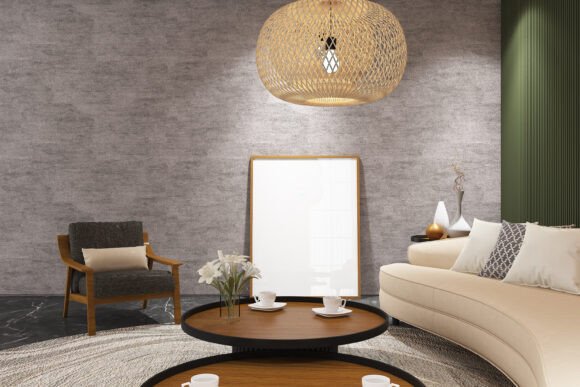
This asset, characterized by its minimal tropical interior design, serves as a versatile template for various stages of a project. Whether used as a mood board element, a background for furniture mockups, or a final presentation piece, its utility lies in its detailed composition. The scene features distinct elements like an arc fluted green panel, gray marble floor, and a white decorative ceiling, all of which contribute to a cohesive aesthetic that balances modern minimalism with organic warmth. By integrating this render into your process, you move beyond generic stock imagery toward a curated visual language that speaks directly to contemporary design trends.
Strategic Placement in the Design Lifecycle
The effectiveness of any digital asset depends on when and how it is introduced into the workflow. The 3d Render of Living Tropical 13 is flexible enough to be utilized before, during, and after the core execution phase of a design project.
Pre-Project Planning and Conceptualization
During the initial discovery phase, clients often struggle to articulate their vision. Here, this render acts as a powerful communication tool. Instead of relying on abstract descriptions, you can present the minimal tropical aesthetic as a concrete example. The presence of the round carpet and hanging light provides immediate context regarding scale, lighting atmosphere, and spatial arrangement. Using this image early helps align expectations regarding material palettes—specifically the interplay between the cool gray wall finish and the vibrant green accents. It reduces the iteration cycle by establishing a clear visual direction before any custom modeling begins.
Mid-Project Execution and Mockups
For product designers and furniture retailers, the render serves as an ideal environment for product placement. The neutral tones of the gray marble floor and gray wall finish create a non-distracting backdrop that allows specific furniture pieces to stand out. You can composite 3D models of sofas, tables, or decor items into the scene, utilizing the existing hanging light and natural light from the windows to ensure realistic shadow casting and reflection. This approach is far more efficient than building a new scene from scratch for every product variation, allowing for rapid prototyping of different layout options.
Post-Project Marketing and Portfolio Building
Once a project is complete, or even if you are showcasing a hypothetical design, this asset functions as a high-impact marketing element. Bloggers, educators, and publishers can use the image to illustrate articles on tropical modernism or sustainable interior trends. The high resolution and professional lighting make it suitable for large-format prints or high-density web displays. It reinforces brand authority by demonstrating an eye for detail and a commitment to quality visuals.
Technical Integration and Compatibility
Successfully incorporating the 3d Render of Living Tropical 13 into your workflow requires attention to technical compatibility and file management. While the end result is a raster image, its origin as a 3D scene implies that it may be available in various formats depending on the source. Understanding these formats is crucial for maintaining quality control.
- Layered Files (PSD/TIFF): If available, layered versions allow you to isolate specific elements like the arc fluted green panel or the round carpet. This is essential for color grading or swapping out textures without affecting the entire composition.
- High-Resolution Raster (JPEG/PNG): Standard for web use and quick mockups. Ensure you download the highest resolution available to prevent pixelation when cropping or zooming into details like the white decorative ceiling patterns.
- 3D Source Files (OBJ/FBX/Blend): For advanced users, having access to the underlying 3D geometry allows for camera angle adjustments or lighting tweaks. This level of control is vital when the standard composition does not perfectly fit a specific aspect ratio required for social media or print.
When working with these files, organization is key. Establish a consistent naming convention and folder structure that categorizes assets by style, room type, and lighting conditions. This ensures that when you need a minimal tropical background six months from now, you can locate the 3d Render of Living Tropical 13 instantly, preserving workflow efficiency.
Optimizing Visual Consistency and Quality Control
One of the primary challenges in using pre-made assets is maintaining visual consistency across a broader campaign or portfolio. The 3d Render of Living Tropical 13 has a specific lighting signature defined by the interplay of natural light from the windows and the artificial glow of the hanging light. When compositing new objects into this scene, you must match the light temperature, shadow softness, and reflection intensity.
To achieve seamless integration:
- Analyze Light Direction: Observe where the shadows fall on the gray marble floor. Any object added to the scene must cast shadows in the same direction to avoid breaking the illusion of reality.
- Match Material Properties: The gray wall finish appears matte, while the floor has a polished sheen. Ensure that inserted assets have appropriate roughness and specular maps to interact correctly with the environment's lighting.
- Color Grading: Apply a unified color lookup table (LUT) or adjustment layer over the final composite. This helps blend the inserted elements with the existing arc fluted green panel and other tonal values, ensuring the final output feels like a single, cohesive photograph rather than a collage.
Quality control also involves checking for resolution mismatches. If you are placing a high-detail product model into the scene, ensure the texture resolution of the product matches the fidelity of the white decorative ceiling and other background elements. Discrepancies here can distract the viewer and diminish the professional quality of the work.
Practical Use Cases Across Industries
The versatility of this specific render extends beyond traditional interior design firms. Various professionals can adapt the 3d Render of Living Tropical 13 to meet unique operational needs.
Real Estate Developers: Use the image to stage virtual properties that are yet to be built. The minimal tropical style appeals to a broad demographic, helping potential buyers visualize the lifestyle associated with the property. The windows suggesting an outdoor connection are particularly effective in selling the concept of indoor-outdoor living.
E-Commerce Brands: Furniture and home decor retailers can use the scene as a permanent "studio" set. By keeping the background constant—including the round carpet and hanging light—brands can create a recognizable visual identity across their product catalog. Customers begin to associate the specific aesthetic of the gray marble floor and green accents with the brand itself.
Content Creators and Educators: For those teaching design principles or writing about home trends, this image serves as an excellent case study. It illustrates how to balance color (green vs. gray), texture (fluted wood vs. smooth marble), and form (arc panel vs. round carpet). It provides a tangible example for discussing spatial planning and material selection.
Long-Term Value and Scalability
Investing time in mastering the use of assets like the 3d Render of Living Tropical 13 pays dividends in long-term scalability. As your library of integrated workflows grows, you develop a repeatable process for generating high-quality visuals quickly. This efficiency allows you to take on more projects or dedicate more time to the creative aspects of design rather than the technical heavy lifting of scene construction.
Furthermore, the timeless nature of the minimal tropical aesthetic ensures that these assets remain relevant for years. Unlike trendy styles that may date quickly, the combination of natural materials, neutral grays, and organic shapes maintains a classic appeal. This longevity means that a workflow built around this render today will continue to produce effective results in the future, protecting your investment in both time and resources.
In conclusion, the 3d Render of Living Tropical 13 is a potent tool when viewed through the lens of process and integration. By strategically placing it within your workflow, adhering to technical best practices for compatibility, and maintaining rigorous quality control, you transform a simple image into a cornerstone of your professional output. Whether you are refining a client pitch, launching a product line, or educating an audience, this asset provides the structural and aesthetic foundation needed to execute your vision with precision and clarity.