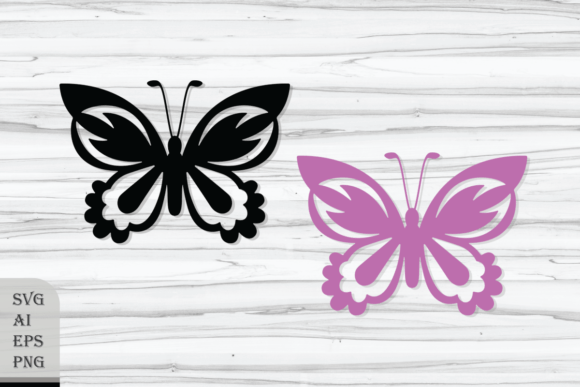
Integrating Decorative Floral Butterfly Silhouette Assets into Professional Creative Workflows
In the landscape of modern digital design and physical product creation, the efficiency of a project often hinges on the quality and versatility of the assets selected during the planning phase. For professionals ranging from small business owners to freelance graphic designers, the Decorative Floral Butterfly Silhouette represents more than just a visual element; it is a foundational component that can streamline production across multiple mediums. When evaluating resources for stationery, wall art, or sublimation projects, understanding how high-resolution vector and raster files fit into a broader operational process is essential for maintaining consistency and reducing turnaround time.
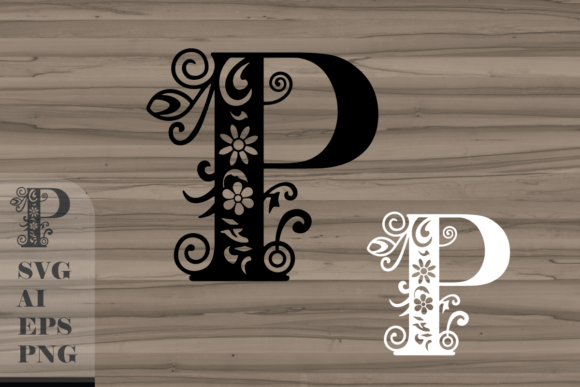
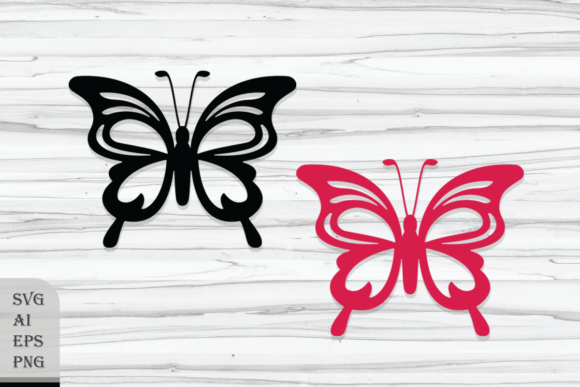
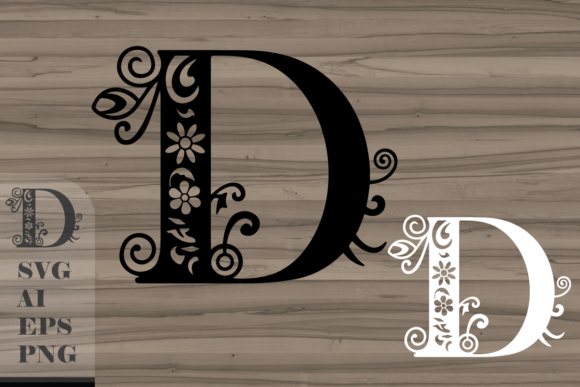
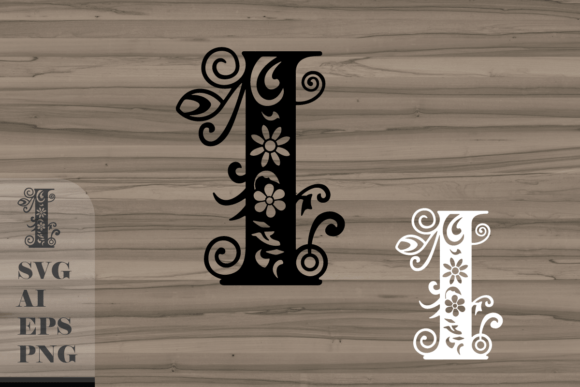
The core value of this specific asset collection lies in its technical specifications and file diversity. The package typically includes a zip archive containing two PNG files at 4957x3504 pixels with a transparent background at 300 DPI, alongside two SVG, two AI, and two EPS files. This variety is not merely a bonus but a strategic necessity for a robust workflow. By having access to both high-resolution raster images and scalable vectors, creators can adapt the Decorative Floral Butterfly Silhouette to virtually any output requirement without compromising quality. Whether the immediate goal is a large-format print for home decor or a intricate detail on a piece of clothing, the presence of these formats eliminates the need for external conversion tools, thereby reducing potential errors and saving valuable production hours.
Strategic Implementation Across Product Lines
Integrating these silhouettes into a business workflow begins with identifying the appropriate use cases before a single design file is opened. For entrepreneurs focusing on the print-on-demand market, the 300 DPI PNG files are immediately ready for sublimation processes. The high resolution ensures that when the Decorative Floral Butterfly Silhouette is applied to textiles, mugs, or tumblers, the edges remain crisp and the floral details do not pixelate. This readiness allows marketers and sellers to move quickly from concept to mockup to final product listing, a critical advantage in fast-paced e-commerce environments.
Conversely, for those involved in traditional printing or large-scale signage, the vector files (SVG, AI, EPS) become the primary workhorse. These formats allow for infinite scalability. A designer can take the same silhouette used for a wedding invitation and expand it for a storefront window display without any loss of fidelity. This interoperability between small-scale stationery and large-scale wall art demonstrates the asset's flexibility. During the execution phase, this means a brand can maintain visual consistency across different touchpoints. A cohesive brand identity is easier to achieve when the core graphical elements remain identical, regardless of the medium they are printed on.
Optimizing the Pre-Production Phase
Effective planning involves organizing assets before they are needed to prevent bottlenecks during tight deadlines. Upon downloading the zip archive, the first step in a professional workflow should be file organization. Extracting the contents and categorizing them by format (Raster vs. Vector) ensures that the correct file type is accessed instantly. For teams collaborating on a project, establishing a naming convention that includes the file type and resolution can further enhance efficiency. For instance, labeling files clearly helps distinguish between the 4957x3504 pixel PNGs and the scalable AI files, preventing the accidental use of a raster image for a project requiring vector manipulation.
Compatibility is another crucial factor in the pre-production stage. The inclusion of AI and EPS files ensures seamless integration with industry-standard software like Adobe Illustrator and CorelDRAW, which are staples in professional design studios. Meanwhile, the SVG format offers broad compatibility for web developers and users of cutting machines like Cricut or Silhouette, which are popular among hobbyists and craft-based small businesses. By verifying that the Decorative Floral Butterfly Silhouette files are compatible with existing hardware and software ecosystems, creators avoid technical hurdles that could delay project completion. This foresight is particularly important for educators teaching digital design or publishers managing complex layout schedules.
Enhancing Quality Control and Consistency
Maintaining high standards throughout the creative process requires rigorous quality control. The transparent background of the PNG files is a significant feature that aids in this regard. It allows the silhouette to be layered over various textures and colors without unsightly white boxes or manual background removal, which can often introduce artifacts. When creating clipsart or stickers, this transparency ensures a clean finish that looks professional straight out of the design software. For sublimation artists, this means less time spent editing in Photoshop and more time focusing on color correction and placement.
Furthermore, the dual nature of the floral and butterfly elements offers aesthetic versatility. The combination of organic floral shapes with the structured form of a butterfly creates a balanced composition that appeals to a wide demographic. When used in wall art, this balance adds visual interest without overwhelming the space. In a commercial context, such as designing packaging or marketing materials, this aesthetic appeal can influence consumer perception and engagement. Consistency in using these well-crafted silhouettes across a product line reinforces brand recognition and perceived value.
Long-Term Utility and Asset Management
The utility of the Decorative Floral Butterfly Silhouette extends beyond immediate projects. For productivity-minded users and freelancers, building a library of reliable, high-quality assets is a long-term investment. These files can be revisited for seasonal campaigns, new product launches, or client requests months or even years after the initial download. Because vector files do not degrade over time or with repeated editing, they serve as evergreen resources. A designer might use the AI file to create a custom pattern for a fabric line today and repurpose the same paths for a logo adaptation next year.
It is also important to note what is not included in the package to manage expectations effectively. Mockups are not part of the zip archive. This distinction is vital for workflow planning. Professionals must source their own mockup templates to visualize the final product before production. While this requires an additional step, it also offers greater freedom. Creators can choose mockups that specifically match their target audience or brand aesthetic, rather than being limited to generic previews. This separation of assets encourages a more customized and thoughtful approach to presentation and marketing.
In conclusion, the successful integration of the Decorative Floral Butterfly Silhouette into a creative or business workflow depends on understanding its technical capabilities and aligning them with specific project goals. From the initial organization of the zip archive to the final application on clothing or stationery, each step benefits from the diverse file formats provided. By leveraging the high-resolution PNGs for direct printing and the scalable vectors for custom manipulation, professionals can ensure efficiency, maintain quality, and achieve consistent results. Whether for a solo entrepreneur launching a new store or a marketing team refreshing a brand's visual identity, these assets provide a solid foundation for execution, allowing creators to focus on innovation and growth rather than technical limitations.