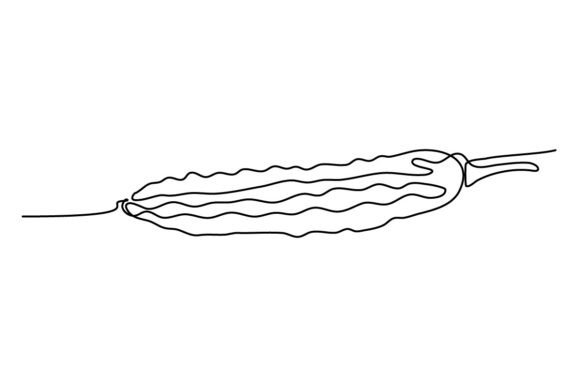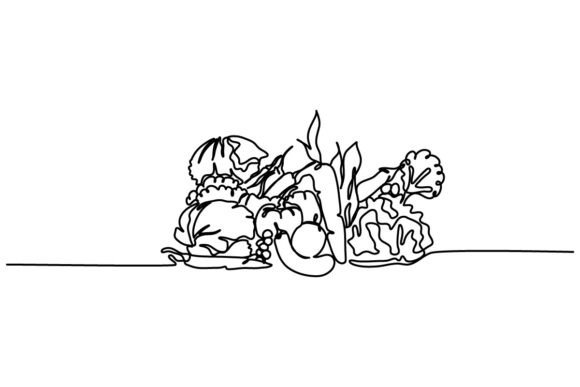
Vegetables One Continuous Line: A Modern Design Essential
In the fast-paced world of digital content and brand identity, simplicity often speaks louder than complexity. There is a growing shift toward minimalism, where the essence of a subject is captured with the fewest possible strokes. This is exactly where the Vegetables One Continuous Line concept shines. It represents more than just an artistic style; it is a visual language that communicates health, vitality, and organic flow without the clutter of heavy shading or intricate details. For professionals ranging from graphic designers to wellness coaches, understanding and utilizing this specific design approach can elevate projects from standard to sophisticated.
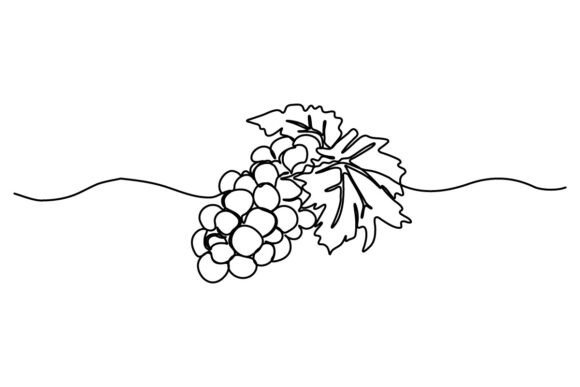
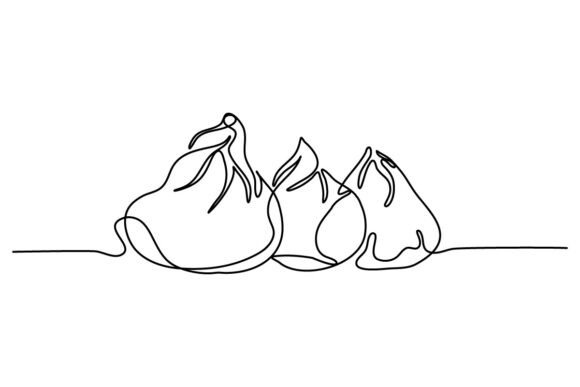
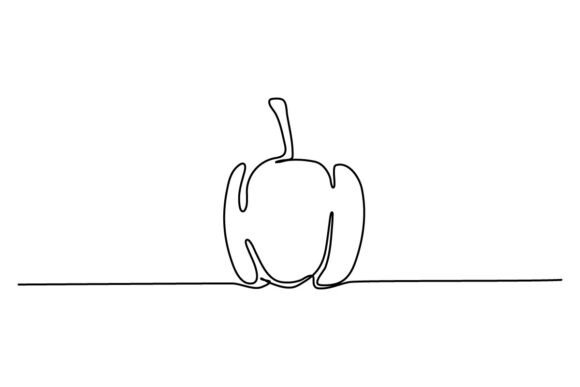
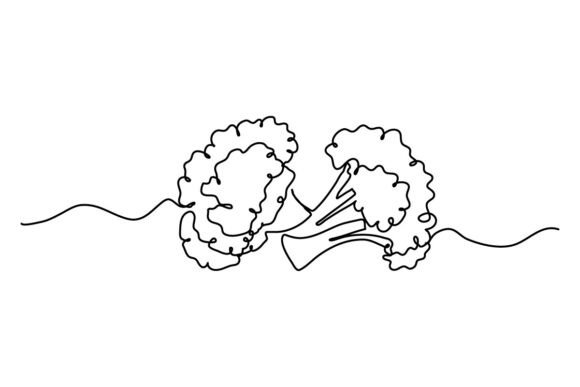
The core idea behind a one continuous line design is self-explanatory yet technically demanding. The artist draws the entire subject—be it a carrot, a broccoli floret, or a basket of mixed produce—without lifting the pen from the canvas. The result is a seamless, fluid illustration that suggests movement and connection. When applied to vegetables, this technique transforms static food items into dynamic symbols of a healthy life. The unbroken line mimics the natural growth patterns of plants and the interconnectedness of a balanced diet, making it a powerful metaphor for holistic well-being.
The Aesthetic Power of Unbroken Flow
What makes Vegetables One Continuous Line designs so compelling is their ability to convey clarity. In an era where consumers are bombarded with high-saturation images and complex graphics, a clean line drawing on a white background offers a moment of visual relief. It feels intentional and curated. The decorative elements drawn in this style possess a unique elegance; they are understated yet unmistakable. Because the line never breaks, the viewer's eye is guided smoothly around the shape of the vegetable, creating a subconscious sense of harmony.
This style is particularly effective because it strips away non-essential details. You aren't looking at the texture of the skin or the specific shade of green; you are recognizing the form and the spirit of the object. This abstraction allows the design to be versatile. A continuous line carrot looks just as at home on a high-end restaurant menu as it does on a mobile app icon for a fitness tracker. The strength of this approach lies in its adaptability. Whether you need a subtle watermark or a bold hero image, the scalability of vector-based line art ensures it remains crisp and professional at any size.
Practical Applications Across Industries
The utility of these designs extends far beyond simple decoration. For marketers and brand strategists, incorporating a Vegetables One Continuous Line motif can instantly signal a commitment to natural ingredients and transparency. Imagine a startup selling organic meal kits. Using complex, photo-realistic imagery might feel generic, but a custom continuous line illustration suggests artisanal quality and modern thinking. It differentiates the brand in a crowded marketplace.
In the educational sector, these illustrations serve as excellent tools for engagement. Teachers and content creators can use them to explain nutrition concepts without overwhelming students with visual noise. The simplicity helps focus attention on the specific vegetable being discussed. Furthermore, for bloggers and publishers focusing on lifestyle and health, these assets provide a cohesive visual theme. Instead of scouring stock photo sites for images that match a specific color palette, a set of continuous line drawings offers uniformity. They can be easily recolored to match any website theme or seasonal campaign.
Creative professionals, including freelancers and hobbyists, will find immense value in the technical flexibility of these files. When you acquire a pack containing EPS, SVG, and JPG formats, you are getting a toolkit for every scenario. The SVG (Scalable Vector Graphics) file is perhaps the most critical for web developers and UI designers. It allows the artwork to scale infinitely without losing resolution, ensuring that the delicate lines remain sharp on 4K monitors and smartphone screens alike. The EPS format is the industry standard for print professionals, allowing for precise manipulation in software like Adobe Illustrator before sending files to press.
Enhancing User Experience and Brand Perception
Integrating Vegetables One Continuous Line art into your projects can significantly improve user experience (UX). Heavy images slow down website loading times, which can frustrate visitors and hurt search engine rankings. Line art, especially when optimized as SVGs, is incredibly lightweight. This means your pages load faster, keeping users engaged longer. From an aesthetic standpoint, the "healthy life symbol concept" embedded in these drawings resonates emotionally with audiences. It suggests purity, simplicity, and a return to basics—values that are increasingly important to modern consumers.
Consider the application in packaging design. A skincare line using botanical ingredients could utilize continuous line drawings of cucumbers or aloe vera to suggest gentle, natural formulations. The white background typical of these designs provides ample negative space, which is crucial for legibility when adding text, logos, or regulatory information. This balance between art and function is what makes the style so enduring. It doesn't compete with the message; it supports it.
Selecting the Right Assets for Your Project
When evaluating resources for your next project, there are a few practical considerations to keep in mind. First, assess the quality of the line weight. A true one continuous line design should maintain a consistent thickness unless variation is used intentionally for emphasis. Jagged or uneven lines can detract from the professional look. Second, verify the file formats included. As mentioned, having access to EPS, SVG, and JPG covers all bases. The JPG is useful for quick previews or social media posts where vector editing isn't required, while the vector files allow you to customize colors, stroke widths, and even animate the lines for digital displays.
It is also worth noting the versatility of the subject matter. While the focus here is on vegetables, the technique applies broadly. However, vegetables offer a unique challenge and reward due to their organic, irregular shapes. A perfect circle is easy to draw in one line; a kale leaf is not. High-quality designs in this niche demonstrate a mastery of form, capturing the essence of the vegetable with intuitive loops and curves. Look for collections that offer a variety of produce to ensure you have enough diversity for your content calendar or product range.
Ultimately, adopting the Vegetables One Continuous Line style is about choosing communication over decoration. It is a strategic decision to prioritize clarity and elegance. Whether you are building a brand from scratch, refreshing an existing visual identity, or creating educational materials, this design approach offers a timeless solution. It bridges the gap between artistic expression and commercial viability, providing a fresh perspective on how we visualize health and nature in the digital age. By leveraging these clean, decorative elements, you invite your audience to appreciate the beauty of simplicity and the vitality of a healthy lifestyle.