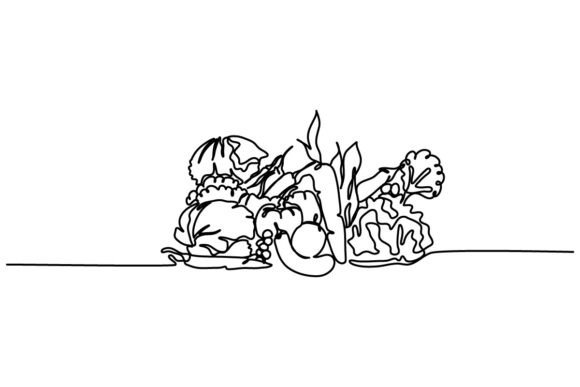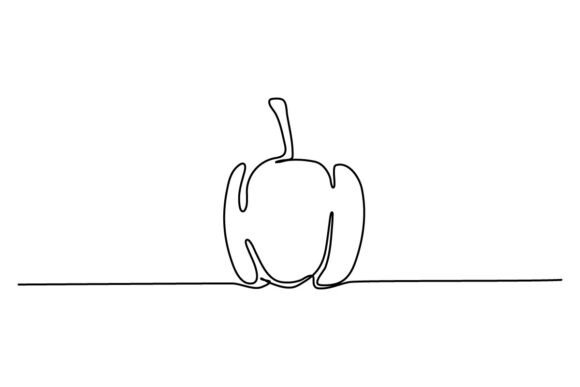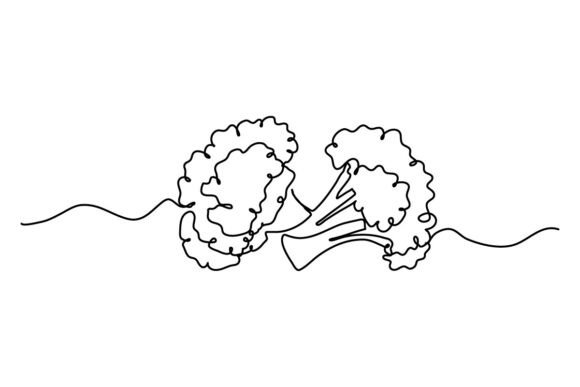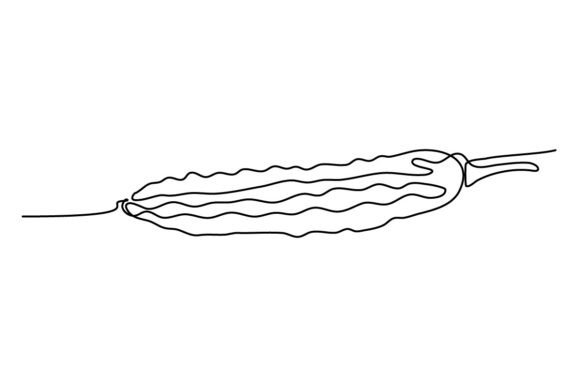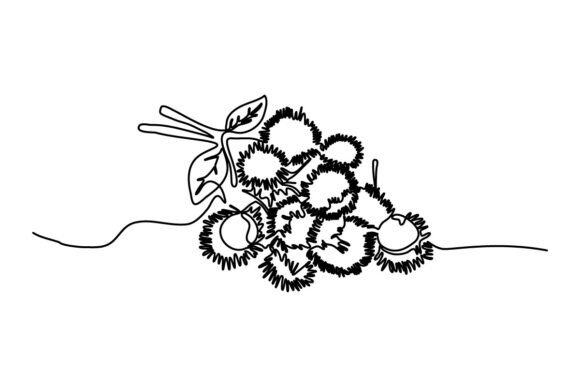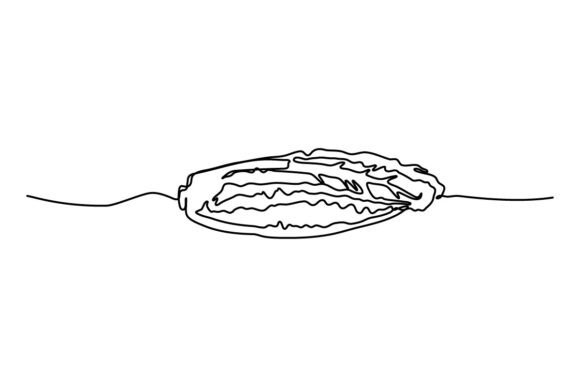
Chinese Cabbage Onion One Continuous Design Guide
In the world of modern graphic design and digital illustration, there is a growing appreciation for simplicity that speaks volumes. The Chinese Cabbage Onion One Continuous design style perfectly captures this sentiment. It is an artistic approach where complex organic forms, specifically vegetables like Chinese cabbage and onions, are rendered using a single, unbroken line. This technique transforms everyday produce into elegant symbols, stripping away unnecessary details to reveal the essential character of the subject. When you look at these designs, you see more than just food; you see a fluid journey of ink or vector paths that dance across a white background, creating a sense of movement and unity.
This specific aesthetic has gained traction among creators who value minimalism without sacrificing personality. The concept relies heavily on the idea of flow. Unlike traditional illustrations that might use shading, multiple colors, or broken outlines to define shape, this method challenges the artist—and delights the viewer—with its constraint. The line never lifts. It loops around the crisp leaves of the cabbage, curls into the root of the onion, and connects them in a harmonious composition. For anyone looking to incorporate fresh, organic elements into their projects, understanding the appeal and utility of this vegetable symbol concept is the first step toward creating something truly distinctive.
The Artistic Value of Unbroken Lines
Why choose a one continuous line design over a standard photograph or a detailed painting? The answer lies in versatility and emotional resonance. A Chinese Cabbage onion one continuous line design offers a clean, sophisticated look that fits seamlessly into various visual contexts. Because the artwork consists of decorative elements drawn on a white background, it provides a neutral yet striking focal point. The lack of clutter allows the eye to follow the path of the line, which can be surprisingly meditative for the viewer.
From a practical standpoint, these designs are incredibly adaptable. The simplicity of the line work means the image remains clear whether it is scaled down for a mobile app icon or blown up for a large format print. There is no loss of detail because the "detail" is the line itself. This makes the format ideal for branding where recognition and clarity are paramount. Furthermore, the organic nature of vegetables like cabbage and onion brings a touch of earthiness and health to the design, which is particularly valuable in industries focused on wellness, agriculture, and sustainable living.
Ideal Applications for Creators and Businesses
If you are a small business owner, a marketer, or a freelancer, you might be wondering where exactly to apply this style. The possibilities are extensive. Consider a local farm-to-table restaurant looking to refresh its menu. Using a Chinese Cabbage Onion One Continuous illustration as a header or a divider adds a modern, artisanal feel that suggests freshness and care in preparation. Similarly, a blogger focusing on healthy eating or vegetarian recipes can use these vector graphics to break up text, making the content more engaging and visually cohesive.
Educators and content creators in the culinary space also benefit significantly. Imagine a cooking class flyer or an ebook cover about winter vegetables. The continuous line art serves as a professional yet approachable symbol that invites people in without feeling overly corporate. For entrepreneurs launching a new line of organic skincare or natural cleaning products, these vegetable motifs can reinforce the message of natural ingredients. The design acts as a visual shorthand for "pure" and "simple," aligning perfectly with brand values that prioritize transparency and nature.
In the digital realm, these assets are gold for web designers. Because they are often available in scalable formats, they load quickly and look sharp on high-resolution screens. You can use them as background patterns by repeating the motif subtly, or as hero images that anchor a landing page. The monochromatic nature of the black line on white allows you to easily recolor the stroke to match any brand palette, offering flexibility that raster images simply cannot match.
Understanding the File Formats: EPS, SVG, and JPG
When you decide to integrate this style into your workflow, knowing what file types to expect is crucial. Typically, a high-quality package for this type of design will include EPS, SVG, and JPG files. Each serves a specific purpose in your creative toolkit.
- SVG (Scalable Vector Graphics): This is perhaps the most important format for digital use. SVGs are code-based vectors, meaning they can be resized infinitely without losing quality. They are perfect for websites, apps, and digital presentations. You can even animate the line drawing itself using CSS or JavaScript, bringing the continuous line to life as it draws itself on the screen.
- EPS (Encapsulated PostScript): This is the industry standard for print professionals. If you are sending your design to a commercial printer for business cards, packaging, or large banners, the EPS file ensures that the lines remain crisp and editable in software like Adobe Illustrator. It preserves the vector data, allowing you to modify the thickness of the line or adjust the curves if needed.
- JPG (Joint Photographic Experts Group): While not scalable, the JPG version is useful for quick previews, social media posts, or situations where a vector file is not supported. It provides a ready-to-use raster image with the decorative elements already rendered on a white background.
Having access to all three formats ensures that you are covered regardless of the medium. Whether you are coding a website or printing a brochure, you have the right tool for the job.
Key Considerations Before You Start
Before diving into using a Chinese Cabbage onion one continuous line design, there are a few practical things to keep in mind to ensure the best results. First, consider the complexity of the line. While the concept is "one continuous line," the density of the loops matters. If the line is too tightly wound, it may look like a solid blob when viewed from a distance or printed at a small size. Always test your design at the intended output size to ensure the negative space between the lines is sufficient to maintain clarity.
Secondly, think about contrast. Since these designs rely on decorative elements drawn on a white background, they work best when placed against light or neutral backgrounds. If you need to place the design on a dark background, ensure you have the editable vector file (EPS or SVG) so you can change the line color from black to white or another contrasting hue. Do not assume the default black line will work on every surface.
Finally, respect the integrity of the design. The beauty of the continuous line lies in its flow. If you are editing the vector file, be careful not to break the path unless absolutely necessary, as this disrupts the core concept of the artwork. For beginners, it is often better to use the design as provided, perhaps scaling or rotating it, rather than attempting to redraw sections, which can ruin the natural rhythm of the stroke.
Embracing the Chinese Cabbage Onion One Continuous style is more than just picking a pretty image; it is a choice to communicate with elegance and efficiency. Whether you are designing a logo for a juice bar, creating educational materials for a nutritionist, or simply adding a touch of artistic flair to your personal blog, this vegetable symbol concept offers a unique blend of nature and geometry. By understanding the formats, applications, and nuances of one continuous line art, you can elevate your visual content and connect with your audience through the universal language of simple, beautiful design.