Evaluating the Modern Abstract Decorative Shape Collection for Contemporary Design Projects
In the evolving landscape of digital design, the demand for assets that balance artistic flair with functional versatility has never been higher. Designers, decorators, and creative entrepreneurs often find themselves searching for resources that can elevate a project without requiring hours of custom illustration from scratch. This is where the Modern Abstract Decorative Shape concept gains significant traction. Specifically, collections that offer an energetic array of distinct forms provide a crucial bridge between raw creativity and polished execution. By examining what these collections offer, how they compare to other asset types, and where they fit best in a professional workflow, creators can make more informed decisions about their resource libraries.
Defining the Modern Abstract Aesthetic
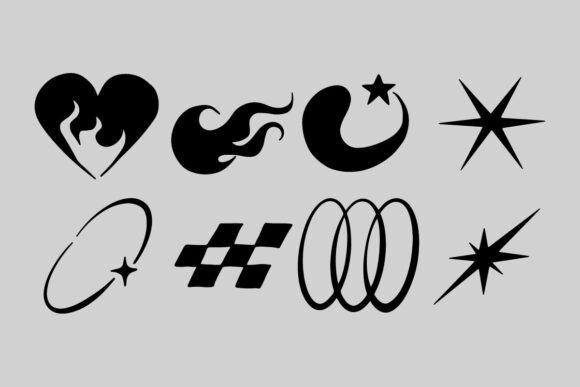
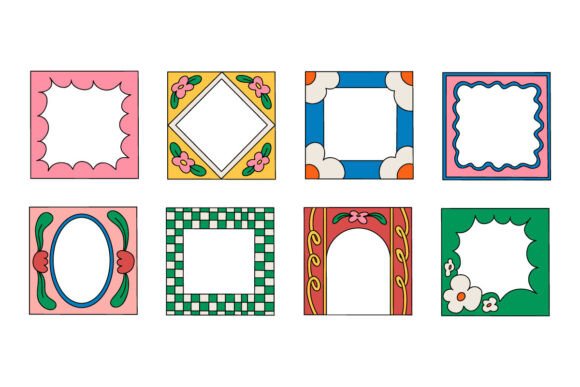
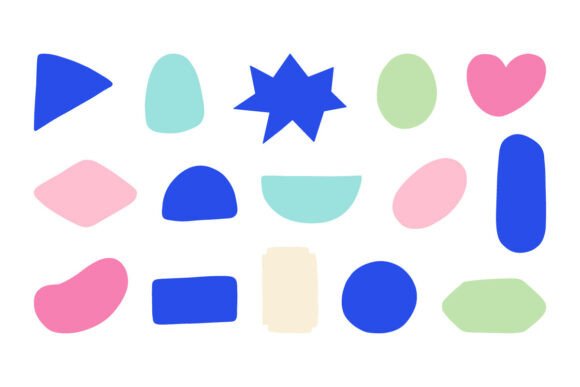
At its core, a modern abstract decorative shape is defined by its departure from rigid geometric perfection. Unlike standard squares, circles, or triangles found in basic vector libraries, these forms embrace fluidity, organic irregularity, and dynamic movement. The Modern Abstract Decorative Shape Collection exemplifies this by presenting fifteen unique designs, each possessing an individual character and spirit. This distinction is vital; it means the assets are not merely variations of a single template but rather a curated set of diverse visual elements.
What makes this specific approach distinct is the intentional blend of artistic expression and functional aesthetics. In many lower-quality asset packs, shapes may look interesting in isolation but fail to integrate cohesively into a larger layout. High-quality abstract shapes, however, are designed with negative space and compositional balance in mind. They are engineered to serve as background textures, framing devices, or focal points without overwhelming the primary content. When evaluating such a collection, one should look for this dual nature: does the shape stand alone as art, and does it function effectively as a design tool?
Format Versatility and Technical Considerations
A critical factor in choosing any digital resource is the file format availability. The utility of a shape collection is directly tied to how easily it can be manipulated across different software environments. A robust package, such as the one described here, typically includes a ZIP file containing EPS, JPG, PNG, and SVG formats. Understanding the trade-offs between these formats is essential for efficient workflow management.
- SVG (Scalable Vector Graphics): Ideal for web design and responsive layouts. These files remain crisp at any resolution and can often be styled directly with CSS, making them a top choice for UI/UX designers.
- EPS (Encapsulated PostScript): The industry standard for print media. If the end goal is large-format printing, such as posters or packaging, EPS ensures that the curves and gradients of the abstract shapes render perfectly without pixelation.
- PNG (Portable Network Graphics): Best for quick integration into presentations, social media graphics, or mockups where transparency is required but vector editing is not necessary.
- JPG (Joint Photographic Experts Group): Useful for textured backgrounds or when file size needs to be minimized for web loading speeds, though they lack transparency.
Collections that limit themselves to raster formats (JPG/PNG) often force designers to recreate vectors if scaling is required, which defeats the purpose of purchasing a pre-made asset. Conversely, a collection offering only vector formats might be inaccessible to users who primarily work in photo-editing software rather than illustration tools. Therefore, the inclusion of all four major formats represents a significant advantage, catering to a broader range of technical needs.
Comparative Analysis: Custom Illustration vs. Pre-Made Collections
When deciding whether to utilize a pre-made Modern Abstract Decorative Shape set or to commission custom illustrations, several factors come into play. Custom illustration offers unparalleled uniqueness; no other brand will have those exact curves. However, the cost and time investment are substantial. For startups, capsule clothing brands, or interior decorators working on tight deadlines, the return on investment for custom shapes may not be justified.
Pre-made collections offer a pragmatic alternative. They provide immediate access to professional-grade aesthetics at a fraction of the cost. The trade-off is the potential for familiarity; if a popular collection is used by many, there is a slight risk of visual repetition in the marketplace. However, because abstract shapes are highly malleable, this risk is mitigated by the user's ability to modify colors, combine multiple shapes, rotate elements, or apply masks. A set of fifteen distinct forms provides enough variety to create hundreds of unique combinations, reducing the likelihood of a "cookie-cutter" look.
Furthermore, compared to generic geometric pattern generators, curated abstract collections offer a more human touch. Algorithmic generators often produce mathematically perfect but visually cold results. Hand-crafted or carefully curated abstract shapes retain an organic imperfection that resonates better with contemporary audiences seeking authenticity.
Ideal Use Cases and Application Scenarios
Determining when to deploy these shapes depends largely on the project's goals. The Modern Abstract Decorative Shape Collection is particularly well-suited for several specific ventures:
- Capsule Patterns and Textile Design: The organic nature of these shapes makes them excellent candidates for fabric prints, wallpaper, and wrapping paper. Their fluid lines create seamless repeats that feel less mechanical than traditional geometric tessellations.
- Contemporary Décor Ventures: For interior designers creating mood boards or marketing materials for modern spaces, these shapes can mimic the forms found in sculptural furniture or wall art, providing a cohesive visual language.
- Branding and Identity: Startups in the creative sectors often seek logos or brand marks that suggest innovation. Abstract shapes can serve as the foundation for a logo system, offering flexibility as the brand evolves.
- Digital Marketing Assets: Social media posts and website headers benefit from the high contrast and visual interest these shapes provide, helping to break up text-heavy layouts.
However, it is important to recognize limitations. If a project requires hyper-realistic imagery or strict corporate conservatism (such as in certain legal or financial sectors), bold abstract shapes might clash with the desired tone. In such cases, more subdued, structured graphics would be a safer alternative.
Making the Decision: Factors for Evaluation
Before integrating a new shape collection into your workflow, consider the following decision factors. First, assess the scalability of the designs. Will these shapes hold up if blown up to billboard size, or do they rely on effects that degrade upon enlargement? Second, evaluate the color palette. While many collections come in black and white or specific hues, the ease of recoloring is paramount. Vector formats like EPS and SVG generally excel here, allowing for instant global color changes.
Another consideration is the cohesion of the set. Do the fifteen shapes feel like they belong to the same family, or are they disjointed? A cohesive set allows for the creation of a unified visual identity, whereas a random assortment might require extra effort to harmonize. The description of this specific collection suggests a unified "spirit," implying a thoughtful curation process that saves the designer time on alignment and styling.
Ultimately, the choice to adopt the Modern Abstract Decorative Shape Collection should align with your need for efficiency without sacrificing artistic integrity. It serves as a powerful tool for those who wish to transform abstract dreams into concrete realities quickly. By providing a digitally accessible, multi-format resource, it removes technical barriers, allowing creators to focus on the composition and narrative of their work rather than the mechanics of drawing every curve from scratch.
In conclusion, while custom solutions have their place, the value proposition of a high-quality, versatile shape collection is undeniable for modern creatives. It offers a balanced approach to design, bridging the gap between the unique and the practical. Whether you are developing a new product line, refreshing a brand identity, or simply looking to inject some contemporary energy into your décor projects, understanding the strengths and applications of these abstract forms is key to making a strategic and effective design choice.