Visualizing Serenity: The 3D Render of Living Room 1
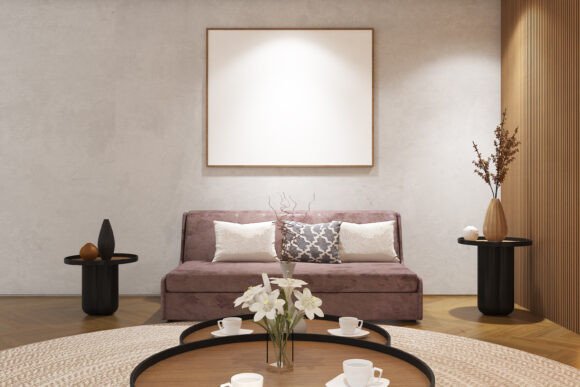
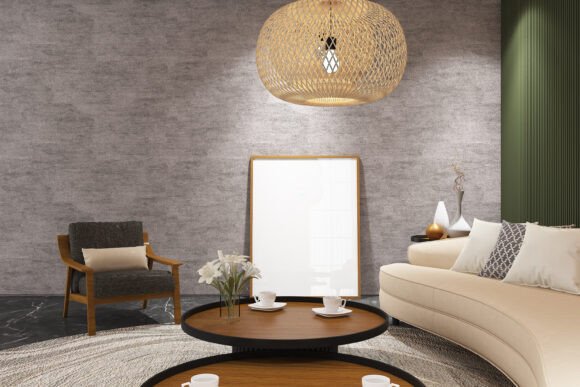
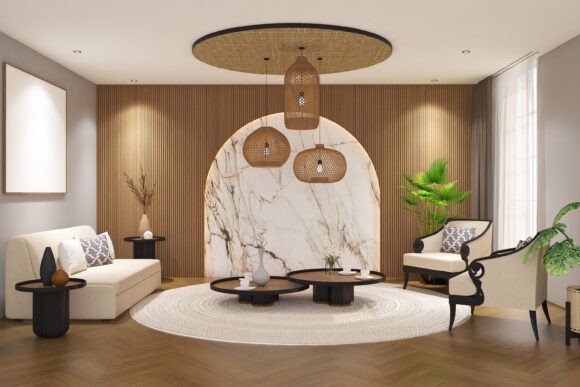
Stepping into a space before it physically exists is no longer the exclusive domain of high-end architecture firms with massive budgets. With tools like the 3d Render of Living Room 1, designers, marketers, and content creators can instantly visualize a specific mood: minimal tropical interior design that feels both grounded and airy. This particular render isn't just a pretty picture; it is a functional asset that bridges the gap between abstract concepts and tangible reality. It captures a living room defined by an arc fluted wood panel, wood parquet flooring, and a sophisticated gray wall finish, all illuminated by a hanging light fixture against a white decorative ceiling.
For professionals working in branding, publishing, or digital marketing, understanding the visual language of such a space is crucial. Whether you are creating a mockup for a furniture brand, designing a lifestyle blog header, or pitching an interior renovation to a client, the ability to leverage high-quality visualization changes the conversation. The 3d Render of Living Room 1 serves as a prime example of how modern typography and interior aesthetics share a common goal: clarity, hierarchy, and emotional resonance.
The Anatomy of Minimal Tropical Design
What makes this specific render stand out in a sea of generic stock imagery is its attention to textural contrast and natural flow. The term "minimal tropical" often gets misused to describe anything with a plant in the corner, but true execution requires a delicate balance. In this scene, the arc fluted wood panel acts as the focal point, introducing rhythm and vertical movement without overwhelming the senses. Fluting, a technique borrowed from classical architecture but reimagined here with modern precision, adds a tactile quality that flat walls simply cannot achieve.
Beneath this feature, the wood parquet floor grounds the space. Unlike wide-plank flooring which can feel expansive but sometimes cold, parquet offers a geometric complexity that hints at craftsmanship and heritage. Paired with the gray wall finish, the warmth of the wood is moderated, creating a neutral backdrop that allows other elements to breathe. The gray isn't stark; it's a soft, matte tone that absorbs light rather than reflecting it harshly, contributing to the room's calm personality.
Above, the white decorative ceiling and the hanging light draw the eye upward, preventing the room from feeling boxy. The round carpet in the center softens the angularity of the parquet and the fluting, introducing a perfect circle that breaks up the linear patterns. For a designer, this interplay of shapes—arcs, lines, circles—is akin to selecting a font family. You wouldn't pair a rigid sans serif with a chaotic script without purpose; similarly, every element in this 3d Render of Living Room 1 is chosen to support a cohesive visual hierarchy.
Strategic Applications for Creators and Brands
The utility of a high-fidelity render extends far beyond interior design portfolios. For entrepreneurs and small business owners, assets like the 3d Render of Living Room 1 are goldmines for branding and marketing materials. Imagine a sustainable home goods brand launching a new line of organic textiles. Placing their products within this minimal tropical setting instantly communicates values of cleanliness, nature, and sophistication without needing a thousand words of copy.
In the realm of editorial design and publishing, such images serve as powerful anchors for articles on wellness, slow living, or modern architecture. When used as a background or template element, the neutral gray walls and white ceiling provide ample negative space for overlaying text. This is where the principles of modern typography intersect with interior visualization. Just as a display font demands room to breathe, a complex interior scene needs clear areas to ensure legibility. The open expanse of the wall in this render offers the perfect canvas for headlines set in a clean sans serif font or an elegant serif font.
Social media managers and content creators also benefit immensely. Platforms like Instagram and Pinterest thrive on aesthetic consistency. Using a consistent visual theme, such as the one established by this render, helps build brand identity. If a lifestyle blogger uses the 3d Render of Living Room 1 as a recurring backdrop for their quotes or product highlights, followers begin to associate that specific look and feel with the creator's voice. It creates a sense of professionalism and reliability, key components of E-E-A-T (Experience, Expertise, Authoritativeness, and Trustworthiness) in the eyes of both audiences and search engines.
Elevating Perception Through Visual Consistency
The psychological impact of a well-curated space cannot be overstated. When potential clients or customers see a brand utilizing high-quality, thoughtfully designed environments, their perception of the brand's value increases. The 3d Render of Living Room 1 exudes a sense of order and tranquility. In a chaotic digital landscape, this calmness is a competitive advantage. It suggests that the brand behind the image pays attention to details, cares about quality, and understands the importance of atmosphere.
This concept mirrors the role of commercial font selection in corporate branding. Just as a poorly chosen typeface can undermine a logo's effectiveness, a cluttered or low-resolution image can damage a brand's credibility. The clean lines of the arc fluted panel and the precise geometry of the parquet floor reflect a commitment to excellence. For marketers, leveraging these visuals in packaging design mockups or web design hero sections can significantly boost engagement rates. Users are more likely to stop scrolling and interact with content that looks polished and intentional.
Practical Guidelines for Integration
Incorporating a specific render like this into your workflow requires a strategic approach. It is not merely about dropping an image into a layout; it is about ensuring the visual narrative aligns with your project goals. Here are practical steps to maximize the value of the 3d Render of Living Room 1:
- Evaluate Project Fit: Before downloading or purchasing, ask if the minimal tropical aesthetic matches your brand voice. If your brand is bold, neon, and chaotic, this serene environment might clash. However, for brands focused on wellness, sustainability, or luxury, it is an ideal match.
- Test Font Pairings: When overlaying text, treat the image as a design partner. A handwritten font might work well for a personal touch on the round carpet area, while a strong display font could anchor a headline against the gray wall. Ensure sufficient contrast between the text color and the background elements.
- Check Licensing Terms: Always review the commercial licensing agreement. Whether you are using this for a client pitch, a published article, or a product mockup, understanding usage rights prevents legal headaches down the road. Look for terms regarding redistribution and modification.
- Consider Readability: If using the image as a background for web content, consider adding a subtle overlay or gradient to ensure the text remains legible across different devices. The intricate details of the fluted wood and parquet can sometimes compete with small body text.
- Maintain Consistency: If you use this render as part of a larger campaign, try to source additional assets that share the same lighting conditions and color palette. Consistency builds recognition, much like sticking to a defined typeface family across all communications.
Ultimately, the 3d Render of Living Room 1 is more than a digital illustration; it is a versatile tool for storytelling. By understanding its visual characteristics—from the arc fluted wood panel to the hanging light—and applying it with intention, creatives can elevate their projects. Whether you are designing a logo design presentation, crafting a social media campaign, or developing a comprehensive brand identity, the right visual foundation makes all the difference. Embrace the clarity and calm of minimal tropical design to create work that resonates deeply with your audience.